

Why Top Video Annotation Services Are Critical for High-Accuracy Video AI
Why Top Video Annotation Services Are Critical for High-Accuracy Video AI
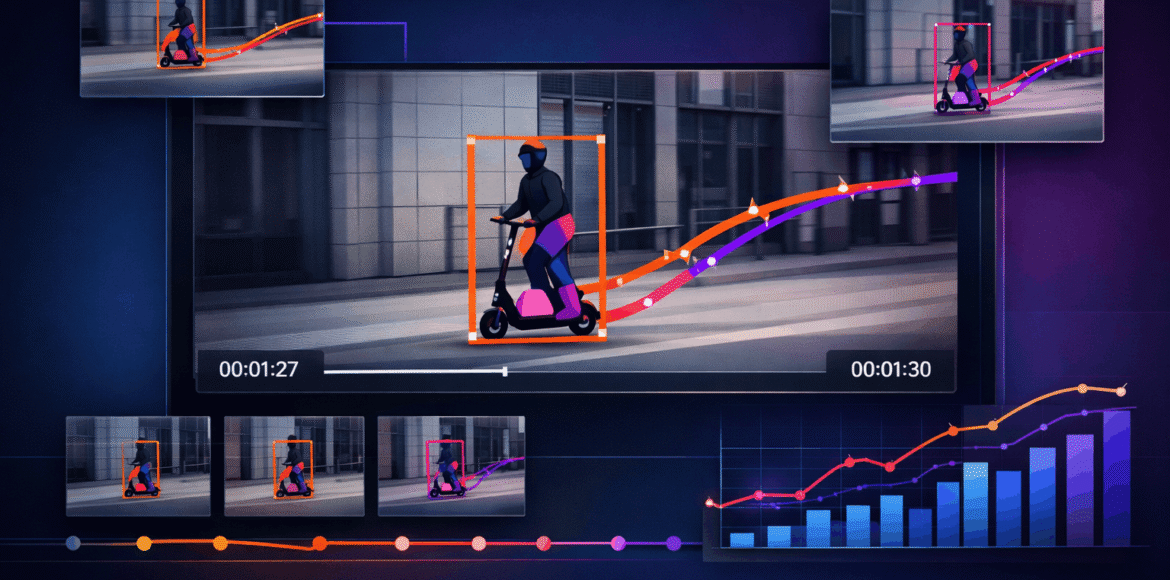
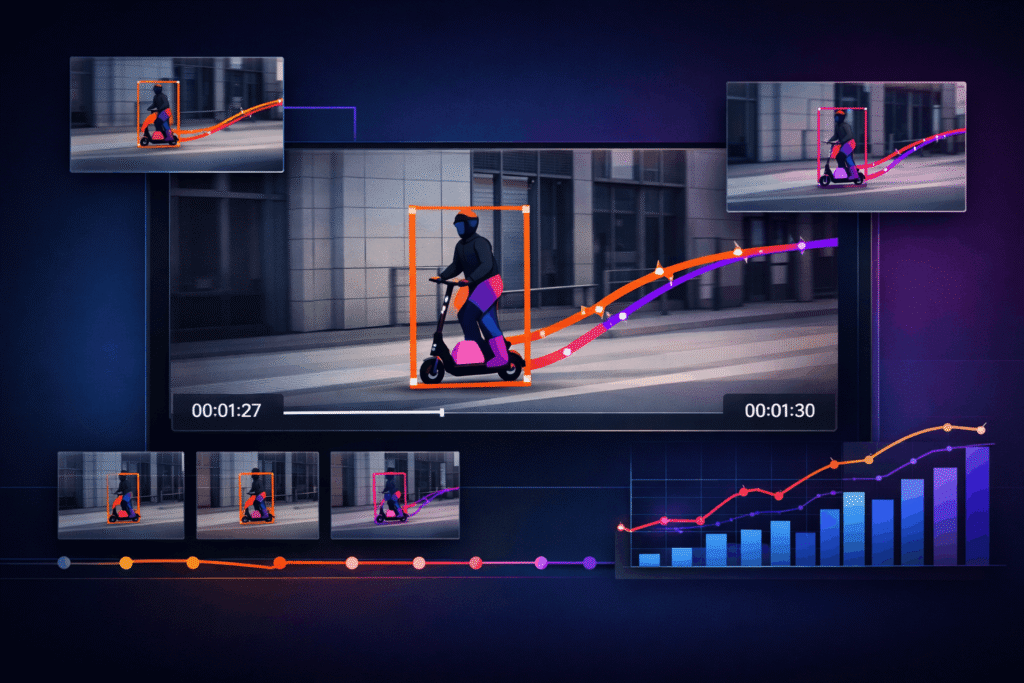
Top Video Annotation Services are critical for high-accuracy video AI because they convert raw video footage into structured, labelled data that AI models can understand and learn accurately.
Video AI relies on the accuracy of annotations made on frames, objects and actions. Models that are tested well, but fail in practice when labels are nonexistent, or labels are incorrect.
Why Video AI Needs Accurate and Consistent Annotations
Video data is more complicated compared to images. The videos have thousands of frames with changing objects and movements.
Proper annotation is useful in:
- Labelling objects in every relevant frames.
- The monitoring of moving objects.
- Determining action, events, and interactions.
Models do not learn correct patterns in the absence of consistency. This reduces accuracy and makes predictions unreliable.
How Video Annotation Services improve Model Accuracy.
The quality of the labels has a direct impact on the quality of the video AI model. Video Annotation Services can be the most significant here.
They support accuracy by:
- Applying the same labelling rules to datasets.
- Dealing with motion blur, occlusion, and variation of lights.
- Detecting fine details needed for action recognition.
As a result, models show:
- Better object detection
- Fewer false positives
- Better performance in real life situations.
Supporting Faster Training and Validation Cycles
Training video AI is also time-consuming, especially when data preparation is slow.
Professional annotation services assist teams:
- Prepare datasets faster
- Eliminate rework due to faulty labels.
- Model validation with good test data.
With clean annotations, teams can experiment, retrain and validate models more frequently. This accelerates the path from research to the deployment process.
Video AI Scaling without Compromise.
As projects grow, video datasets expand rapidly. This is something that is not easily handled internally.
Through Video Annotation Services, teams are able to:
- Label huge video sets successfully.
- Eliminate the mistakes in long data sets.
- Meet strict deadlines in development.
Such services use structured workflows and quality checks to ensure labels stay consistent, even at scale.
Reducing Risk and Bias in Video AI Systems.
The errors in video AI can have serious consequences in areas like surveillance, healthcare, and autonomous systems.
Quality annotation reduces risk because:
- Applying Clear labelling standards.
- Examining the edge cases.
- Assistance in balanced and diverse data.
It leads to more reliable, equitable and secure AI systems.
Allowing AI Teams work on innovation
When engineers are constructing and refining models, they are most valuable.
Outsourcing Annotation helps teams:
- Avoid spending time on manual labelling.
- Focus on the improvement of algorithms.
- Dealiver production ready system faster
This balance improves productivity and the quality of end product.
Conclusion
The right video AI is initiated by the right data. Video Annotation Services provide the consistency, scale and accuracy needed to train models that can perform without error in the real world and not in controlled settings only. They assist AI systems to process complicated situations, evolving circumstances, and vast quantities of video material. This enhances reliability, trustworthiness and preparedness to produce in models.
FAQs
- what is the need of video annotation to improve the accuracy of AI?
It provides frame based labels that enable models to feel the motion, actions and context. Video AI systems cannot work reliably without proper annotations.
- Can in-house teams handle large video annotation projects?
They can, but scaling annotation internally is time-consuming and hard to manage. Maintaining quality and consistency across large datasets is a major challenge.
- Which industries rely most on video annotation?
Autonomous driving, security, retail analytics, sports, and healthcare industries use it heavily. These areas require high accuracy.