

When Enterprises Need Expert NLP Services Instead of Generic Language Models?
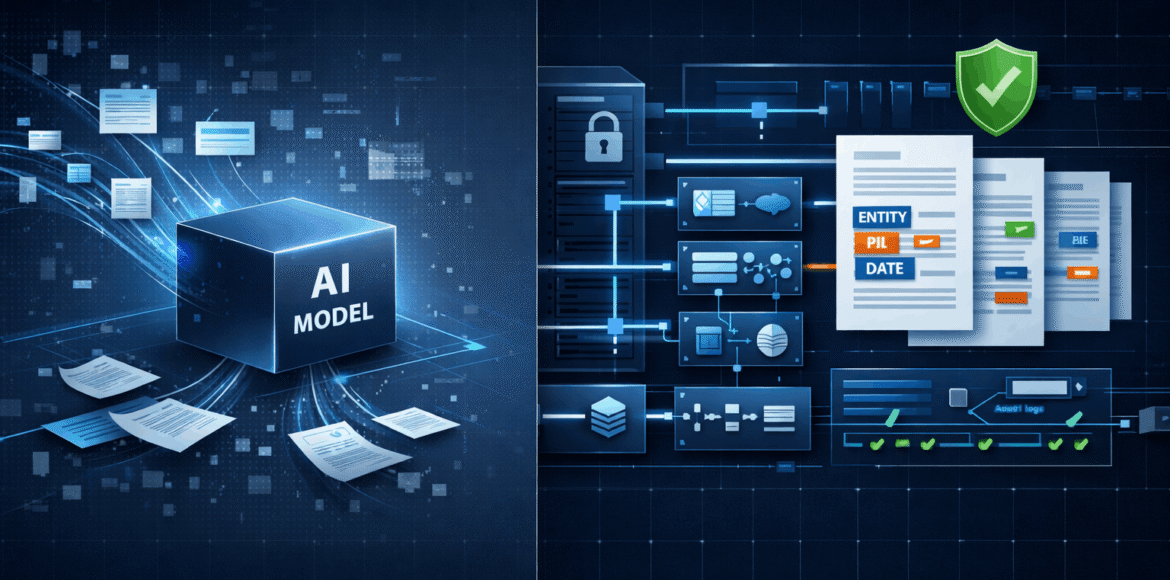
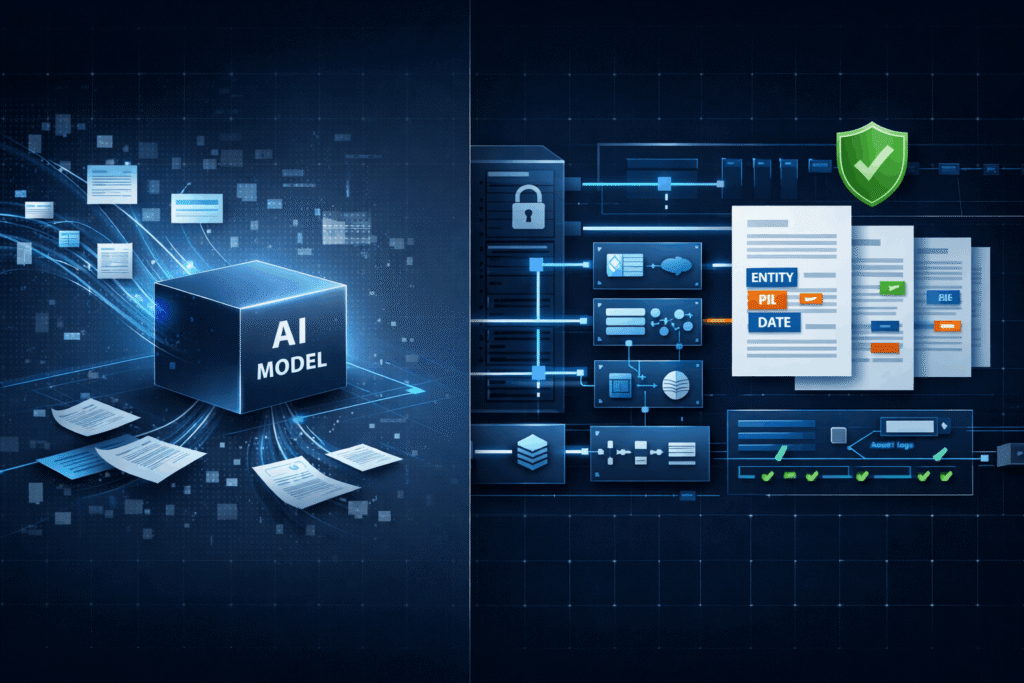
Enterprises need assistance from Expert NLP services if generic language models cannot fulfil sufficient requirements. Specifically, some of the crucial requirements include data accuracy, security, domain specificity, compliance and scalability. Expert services provide customised architectures that integrate directly into proprietary workflows.
Why Enterprises Require Expert NLP Solutions?
Generic language models work well to draft content, summarise it, or perform basic conversational tasks. On the other hand, enterprises operate in a complex, regulated and domain-heavy working environment.
To fulfil these needs, expert NLP (Natural Language Processing) services use customised models, domain knowledge and enterprise-grade infrastructure.
Add Your Heading Text Here
Enterprise Natural Language Processing (NLP) is used to analyse and label unstructured data that generic models are not optimised to manage. In such situations, a generic model may act with the following limitations:
- Ambiguity in interpreting domain-specific terms
- Inconsistent results across similar inputs
- Limited traceability for decisions and outputs
- Insufficient support for regulatory audits
The above gaps can affect operational reliability and compliance readiness in industries such as finance, healthcare, legal services, insurance and manufacturing.
Scenarios That Require Expert NLP Services
There are two main scenarios that may require expert NLP services, which are as follows:
1. Domain-Specific Language and Context
Enterprise data includes specialised terminology, internal taxonomies and contextual dependencies. For these areas, expert NLP services enable the following aspects:
- Model training on proprietary datasets
- Accurate recognition of industry-specific entities and relationships
- A consistent interpretation across documents and workflows.
The above features are extremely important for contract lifecycle management applications, clinical text analysis, regulatory reporting and technical insight interpretation.
2. Data Privacy and Security
NLP services can bridge the gap between human language and machine actions. These systems mostly work in the following ways:
- The system uses the Named Entity Recognition (NER) technique to define Personally Identifiable Information (PII), such as names and medical records, automatically.
- Scans the data of a person through large volumes of data automatically to carry out operations, such as transfer requests or deletion requests.
- Uses chat logs, emails, access to documents and others to detect behavioural deviations or theft of data.
- The system searches the dark web forums and news feeds to obtain indicators of compromise (IOCs) and new patterns of attack.
Generic Models vs Expert NLP Services
Here’s a side-by-side comparison of generic language models and expert NLP services across key enterprise evaluation criteria. It highlights how both systems differ in terms of customisation depth, governance and system integration.
| Capability | Generic Language Models | Expert NLP Services |
|---|---|---|
| Domain Customization | Limited fine-tuning | Deep domain training |
| Data Ownership | External or shared | Fully enterprise-controlled |
| Data Requirements | Pre-trained on massive public web data | Requires domain-specific data |
| System Integration | API-level | Workflow-level |
Conclusion
Complex, regulated and data-driven enterprises may need more evaluation than can be offered by generic language. Expert NLP services provide tailored solutions built around domain knowledge, security controls and compliance requirements. These systems provide efficient stability in results by combining them into an enterprise process and through training on proprietary data. This method enables the organisations to manage risk in an efficient manner, along with fulfilling operational needs.
FAQS
1. How long does it typically take to deploy an expert NLP solution?
Deploying an expert NLP solution typically takes 3–12 months, depending on complexity, team expertise, data readiness and whether it’s using off-the-shelf LLMs/APIs.
2. What internal teams are usually involved in implementing expert NLP services?
Successful implementations of NLP systems are interpreted by professionals working in fields like data science, IT infrastructure and cybersecurity.
3. How is model performance maintained over time in enterprise NLP systems?
Constant monitoring sustains the performance, periodical retraining with new information and established evaluation standards tied with business growth-oriented results.